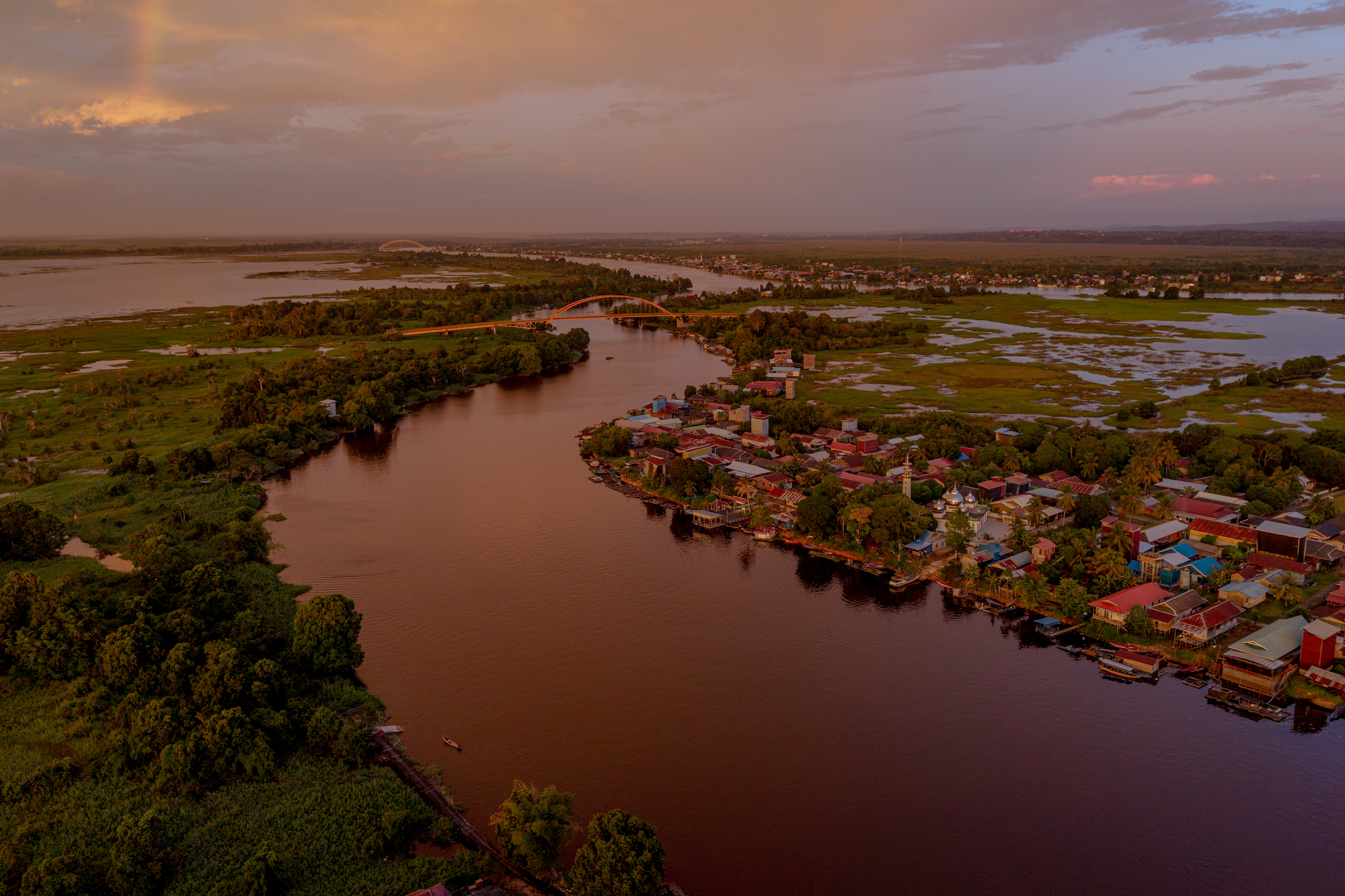
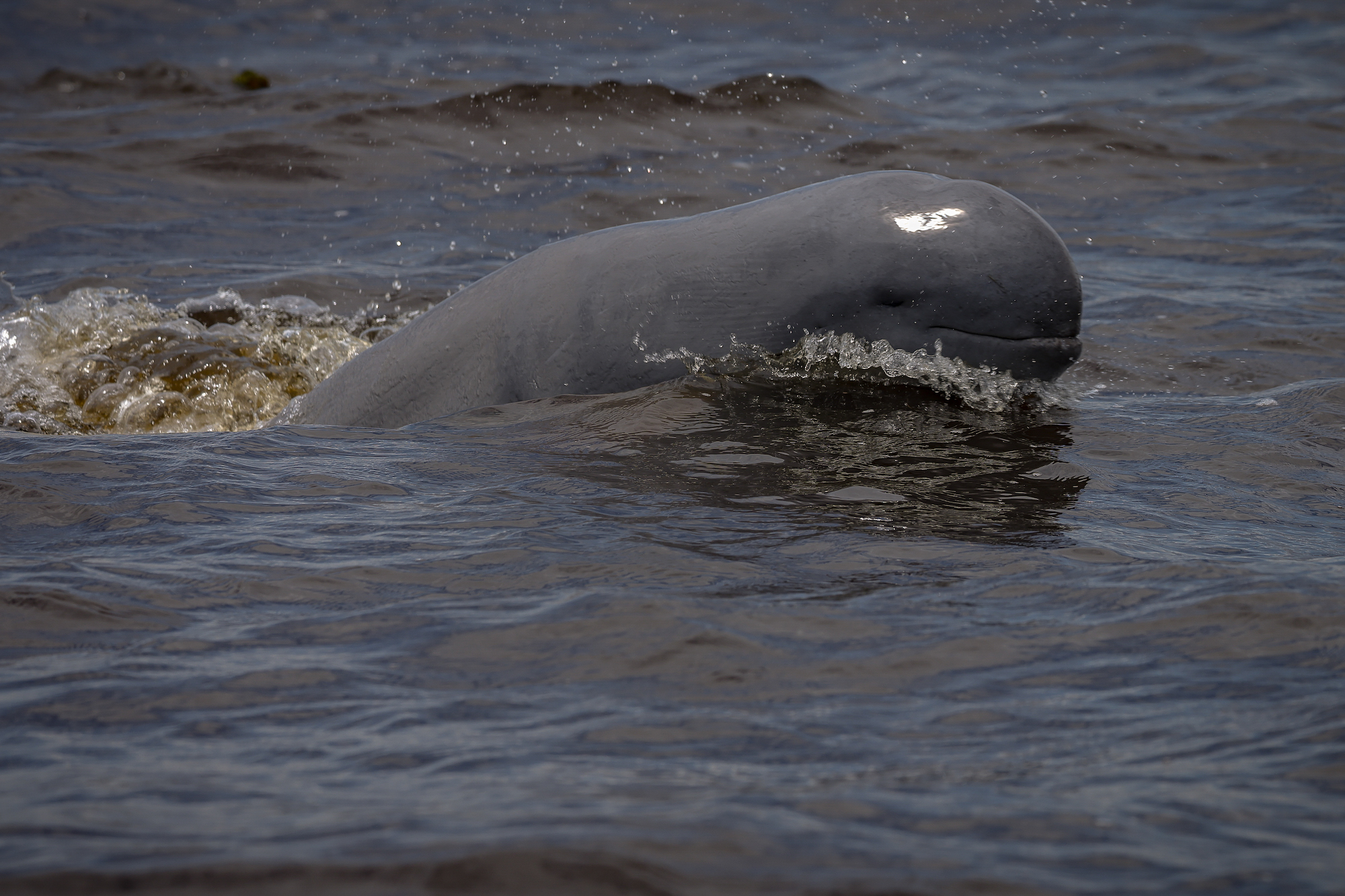
Deep in the Mahakam River, only 60 critically endangered freshwater dolphins remain, and scientists warn that losing them means losing the river itself.
This reality was highlighted in 2025 when Upin, a freshwater dolphin (locally called pesut or Irrawaddy dolphin), was found dead, his body contaminated with heavy metals and micro plastics. Upin was just over three years old, his life cut short by the very waters that should have sustained him.
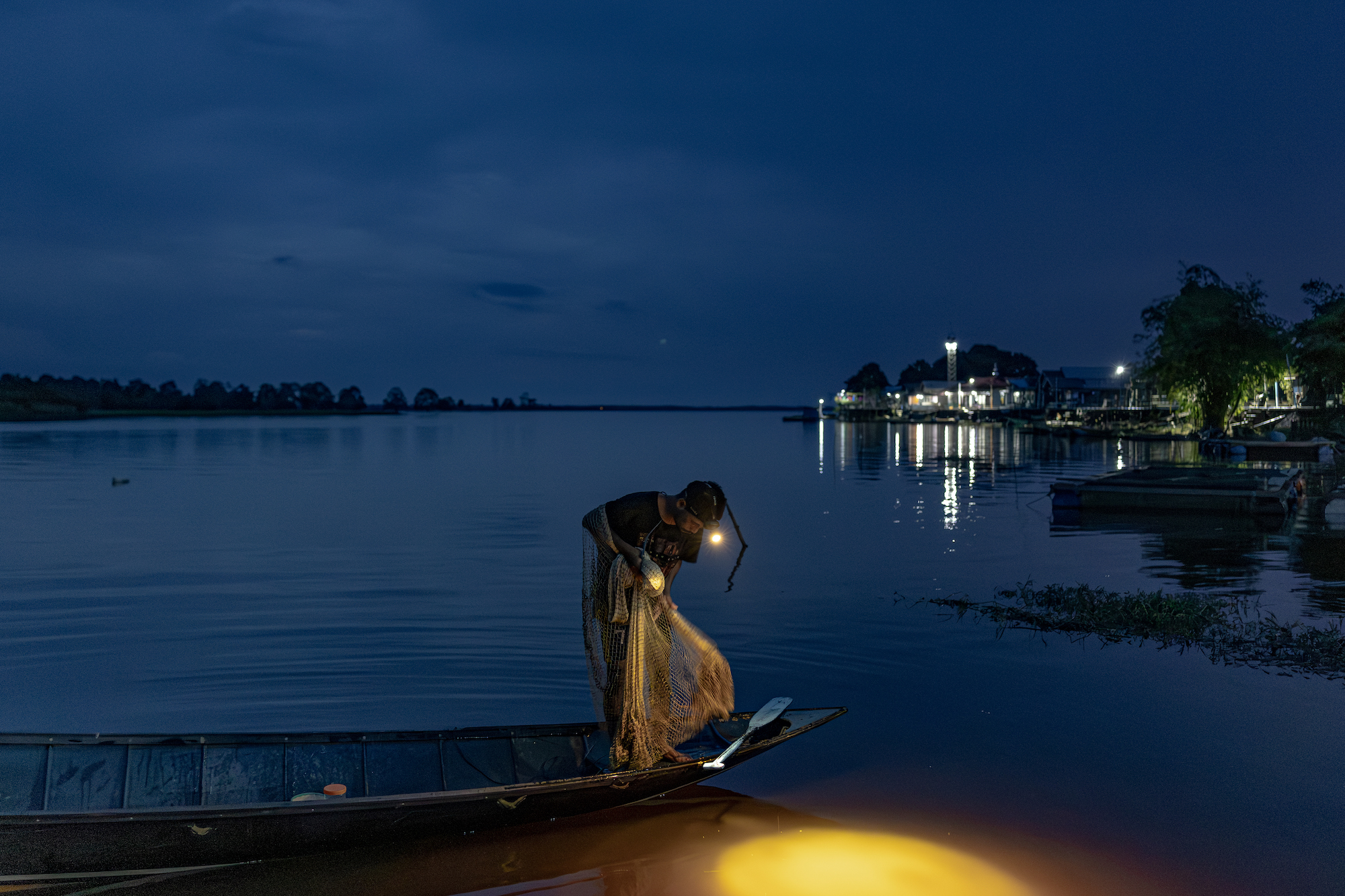
Upin wasn’t the first to die this way. His loss is the latest tragedy to change how the community sees the river. Fishermen remember when people and wildlife coexisted in paradise. The Kutai have always believed that dolphins are human souls and have treated them with respect.
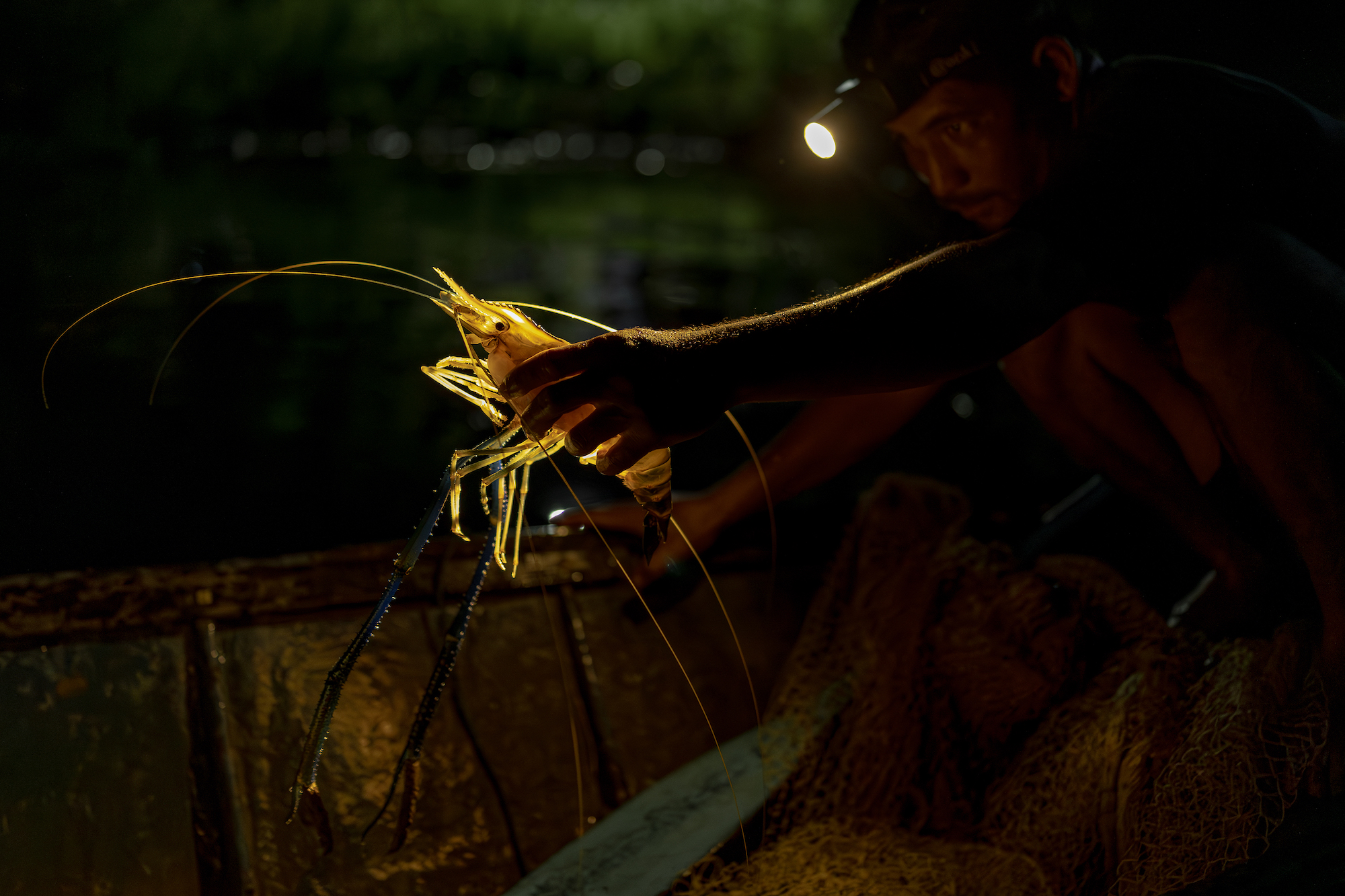
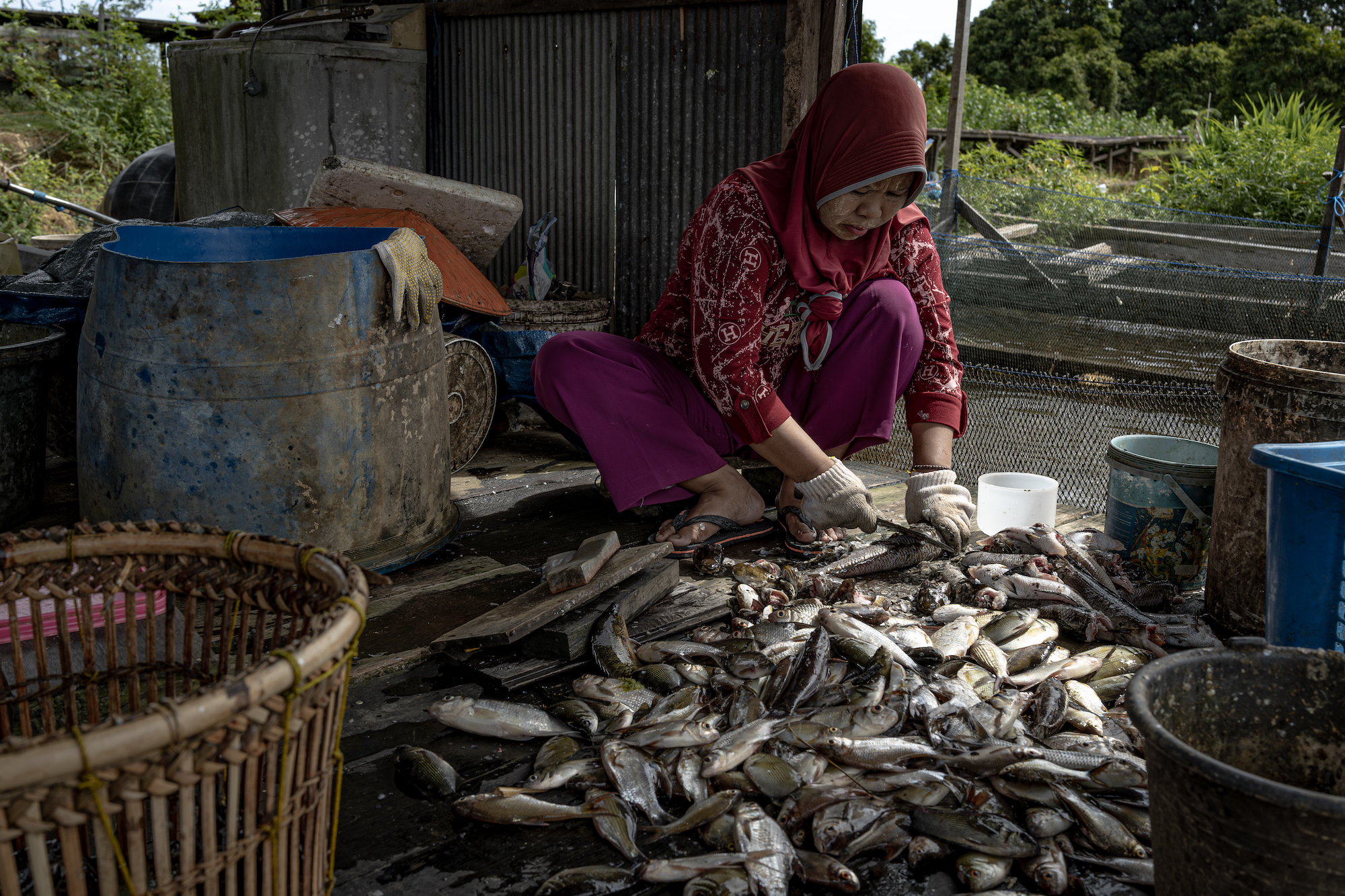
Puyau and Gandia, the local fish, were once easy catches. Now their numbers and seasons are so unpredictable that these species appear and disappear without warning. This decline is no accident—it’s the result of mounting pressures on the river, both from human activity and environmental threats.
“Toxicology reports confirmed Upin died of poisoning, likely from a compound containing potassium cyanide or chloride. Critically high potassium levels severely damaged his liver until his heart stopped,” said Danielle Kreb, scientific program lead for the Conservation Foundation for Rare Aquatic Species of Indonesia (RASI).
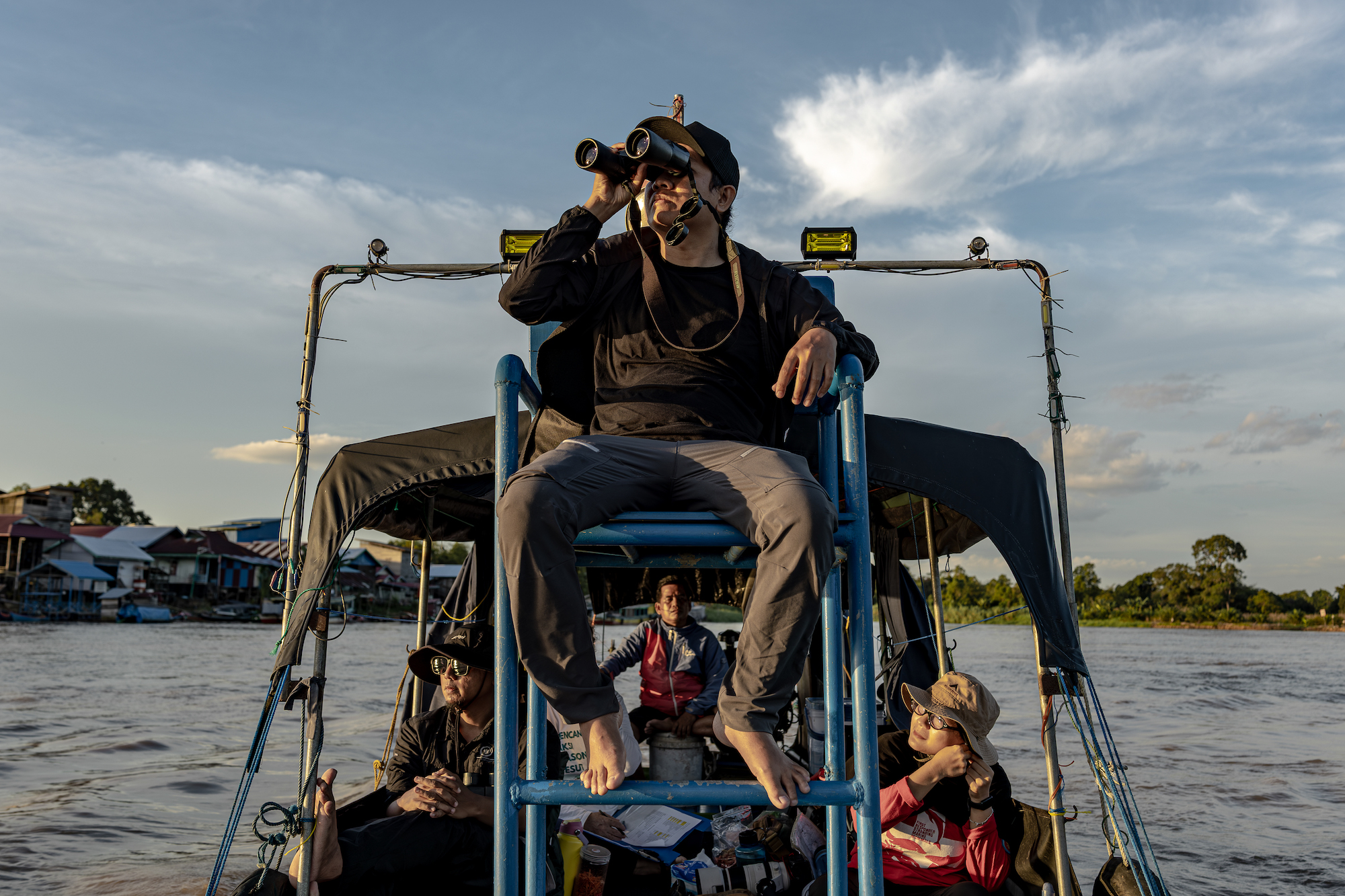
For over two decades, Kreb and her husband, Budiono, have worked to safeguard the last Mahakam River dolphins through research, community engagement, and direct conservation. Her dedication to these freshwater dolphins began in 1997, when a firsthand encounter with the species sparked a lifelong fascination. “I know every single one of them,” she said, reflecting a bond forged from years on the water, observing each dolphin until they became more than just animals to her.
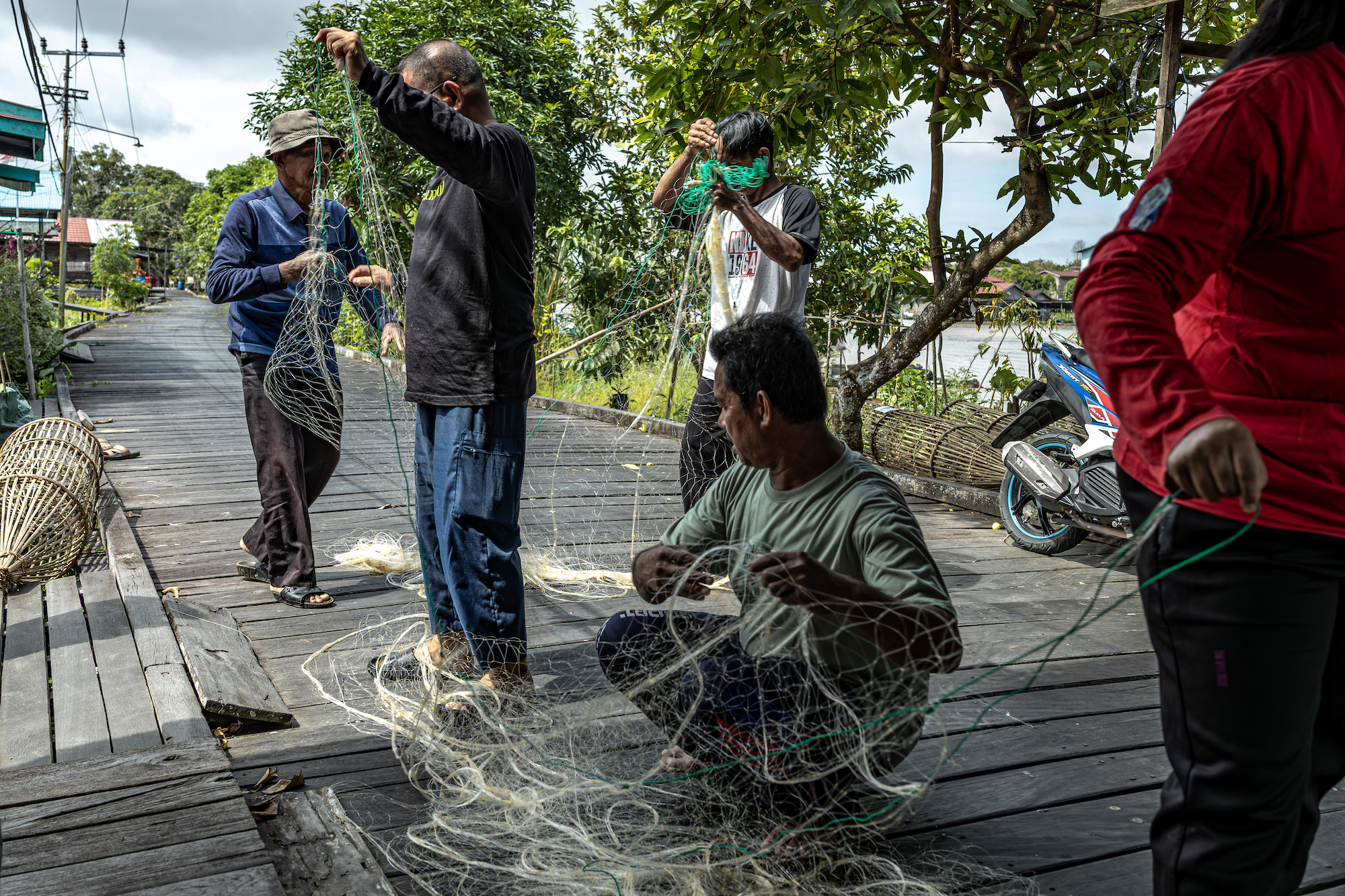
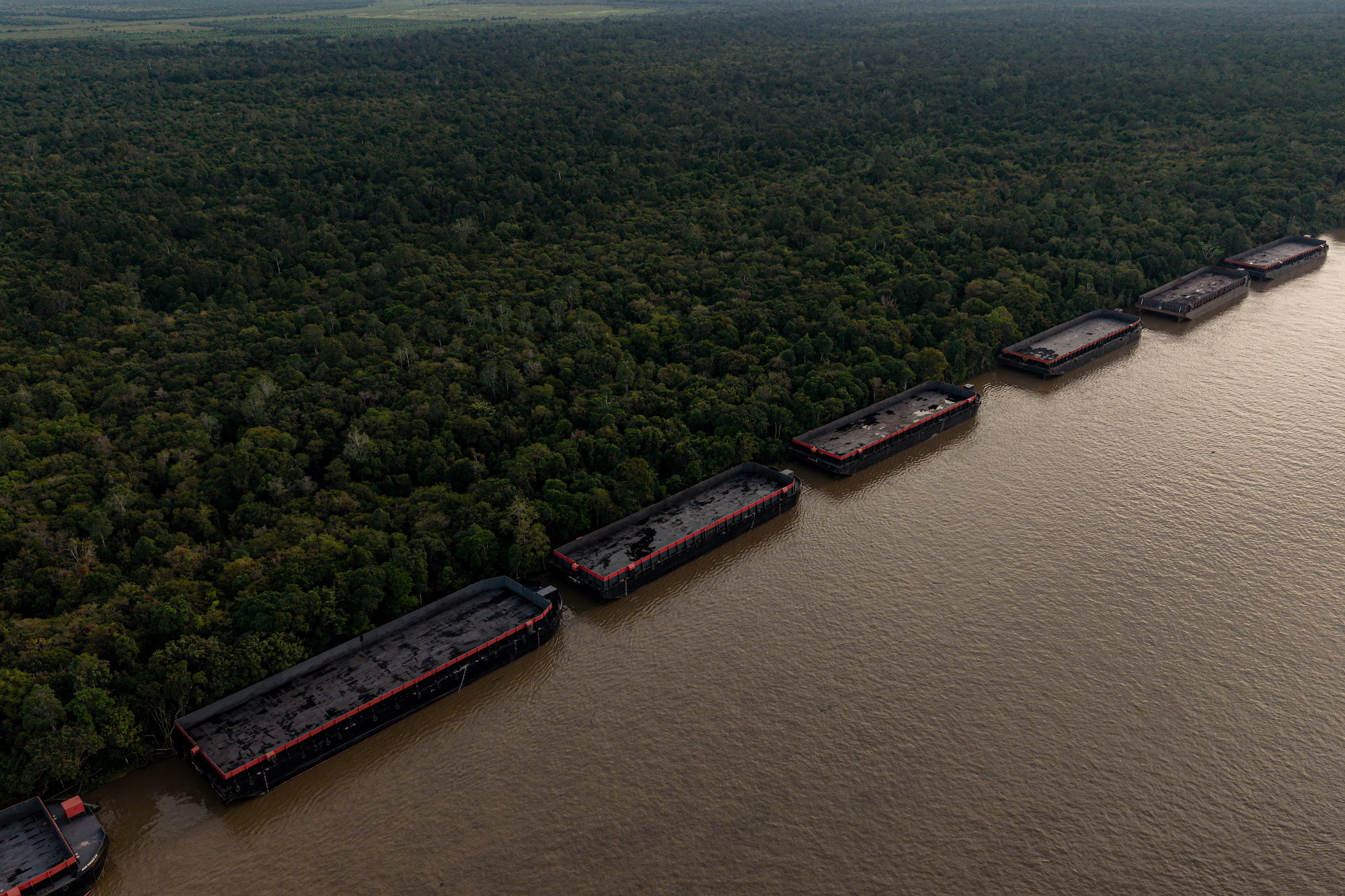
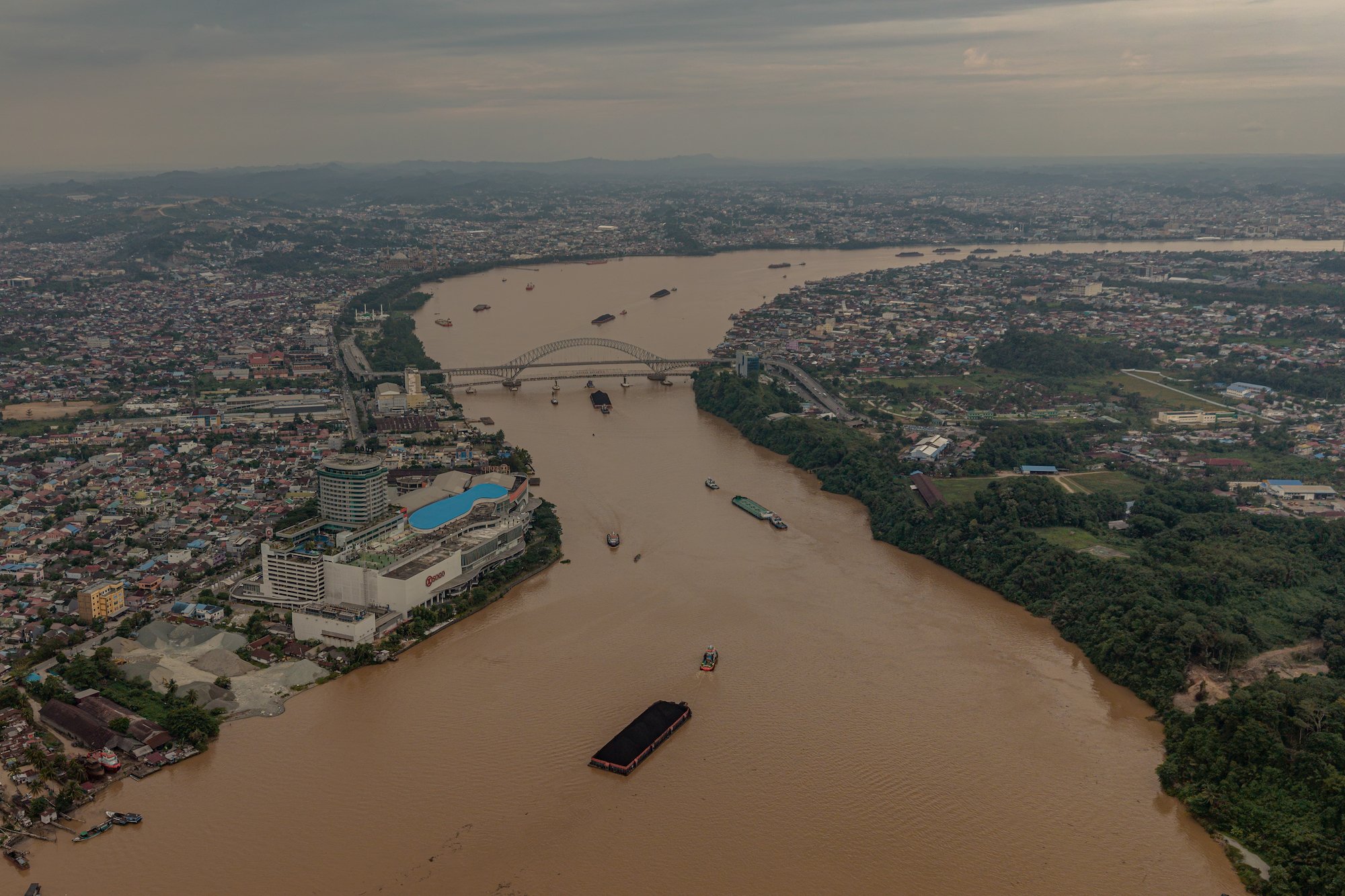
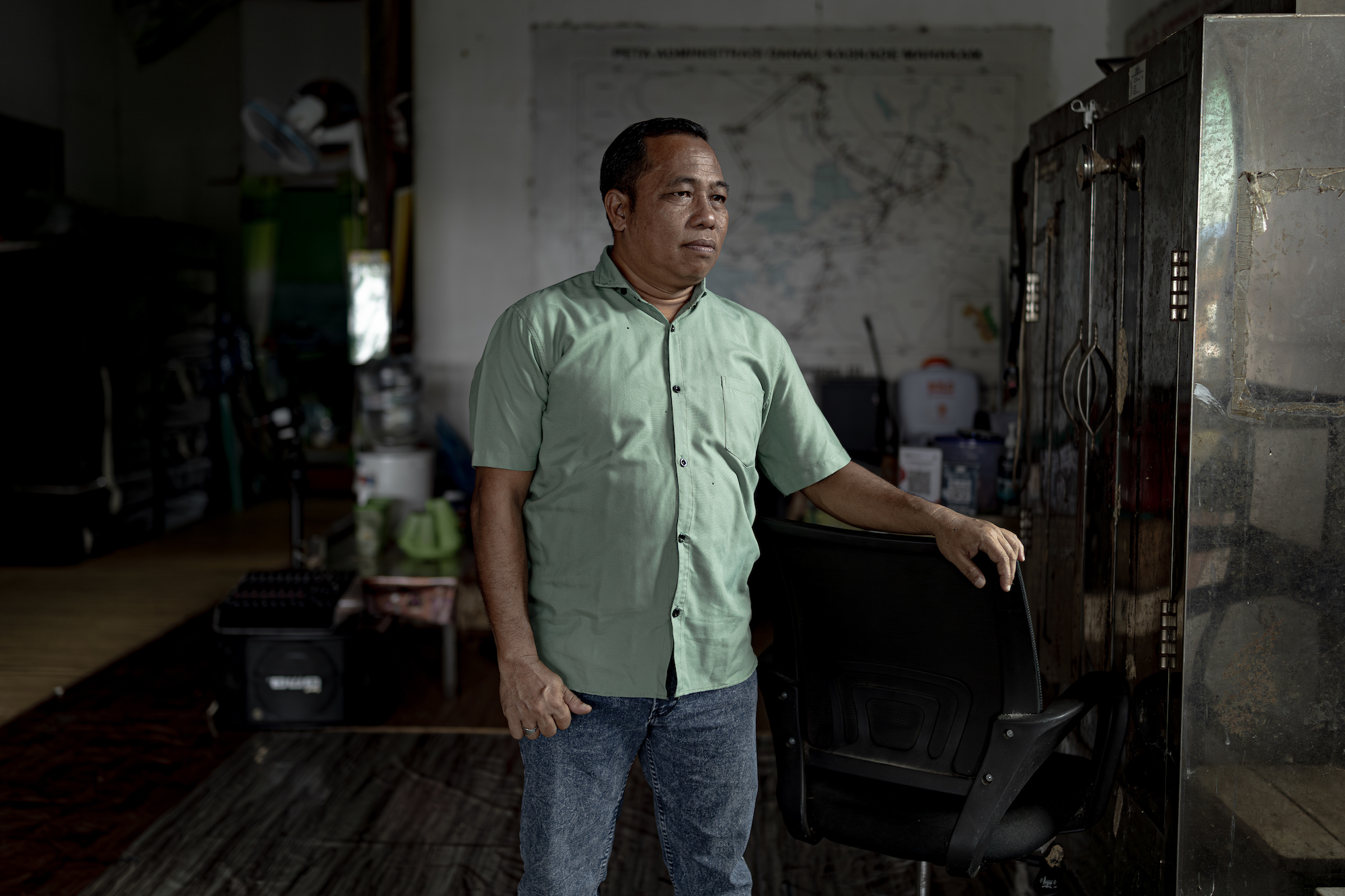
Fishermen from West Kutai to Kutai Kartanegara note that pesut sightings are fading fast, even as barges hauling coal and plantation products clog the river like never before. Samsuri, a resident of Penyinggahan District in West Kutai, lamented that reports of pesut deaths kept surfacing, yet no real action was taken. “We hear that kind of news all the time, but nothing gets done,” the 70-year-old said, explaining how these changes have affected villagers.
Muhammad Yusuf, a fisherman from Pahu Estuary in West Kutai, said his catch had been shrinking for years, in a quiet crisis that mirrored the dolphins’ disappearance. The 50-year-old blamed rising industrial activity along the Mahakam River. The Pahu Estuary was once a conservation area. Since 2010, Irrawaddy dolphins have gradually abandoned it. Oil palm plantations were established along the Kedang Pahu River, leading to a decline in fish stocks. “It started when the palm oil and coal companies arrived. Barges kept rolling by, and fish became harder to catch,” he added.
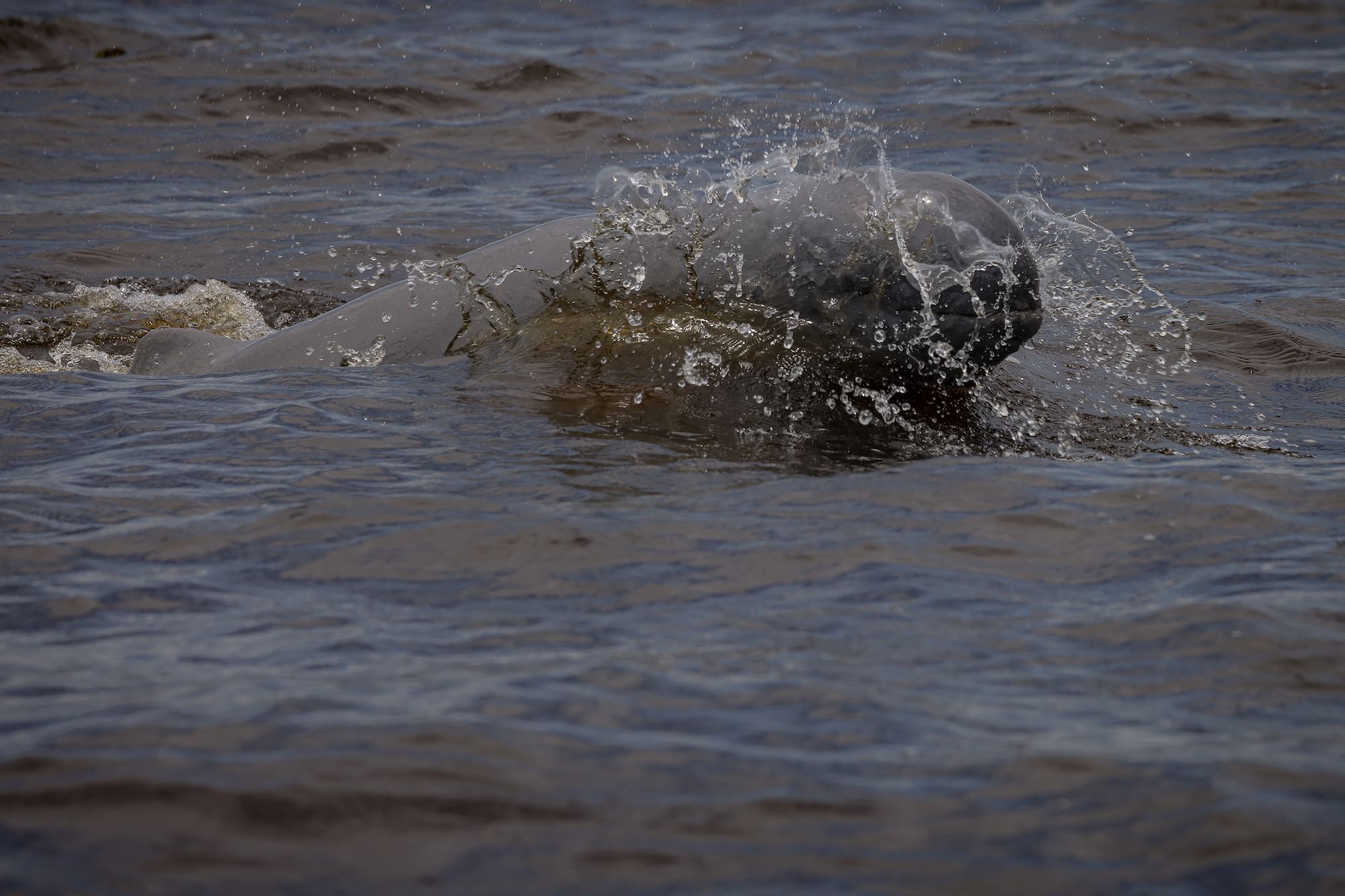
The dolphins of the Mahakam River are a critically endangered species. Official 2025 figures from RASI estimate just 60 individuals remain. Their steep decline is driven by entanglement in fishing gear, fatal barge collisions, and poisoning used to catch fish. Other threats include pollution and chemical runoff contaminating the river.
Cries of the dolphins over coal mining
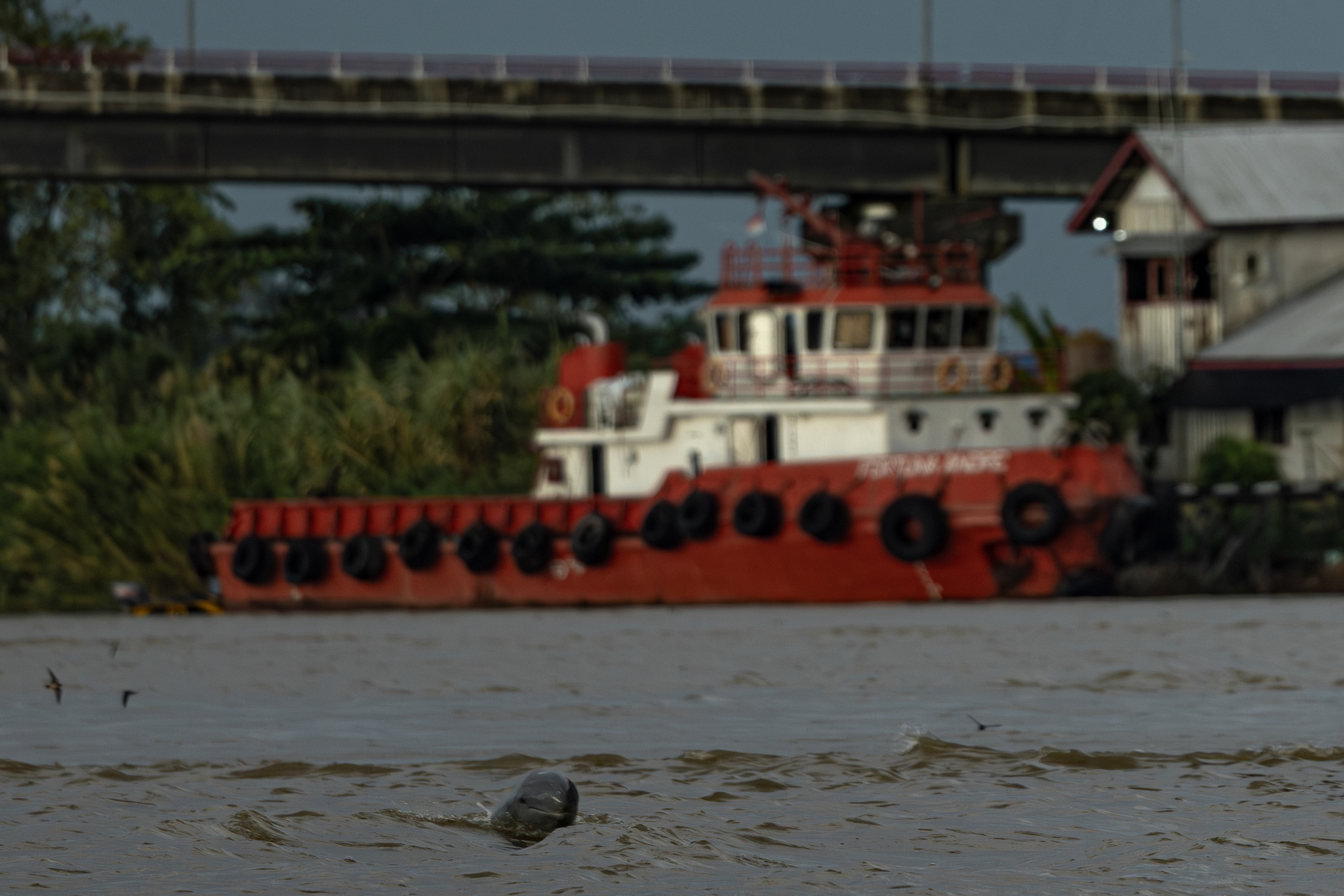
While bycatch deaths have dropped by 88% from 2020 to 2025, coal transport now poses a rising threat, claiming several dolphin lives, both confirmed and unconfirmed. Kreb explained that several converging threats now jeopardize the Mahakam River dolphin’s survival.
First, the relentless noise of coal barges disorients dolphins. Within 300 meters, the disturbance lasts five minutes, stopping them from feeding or communicating. Noise averages 117 dB, peaking at 150 dB, well above the 80 dB that disrupts their sonar.
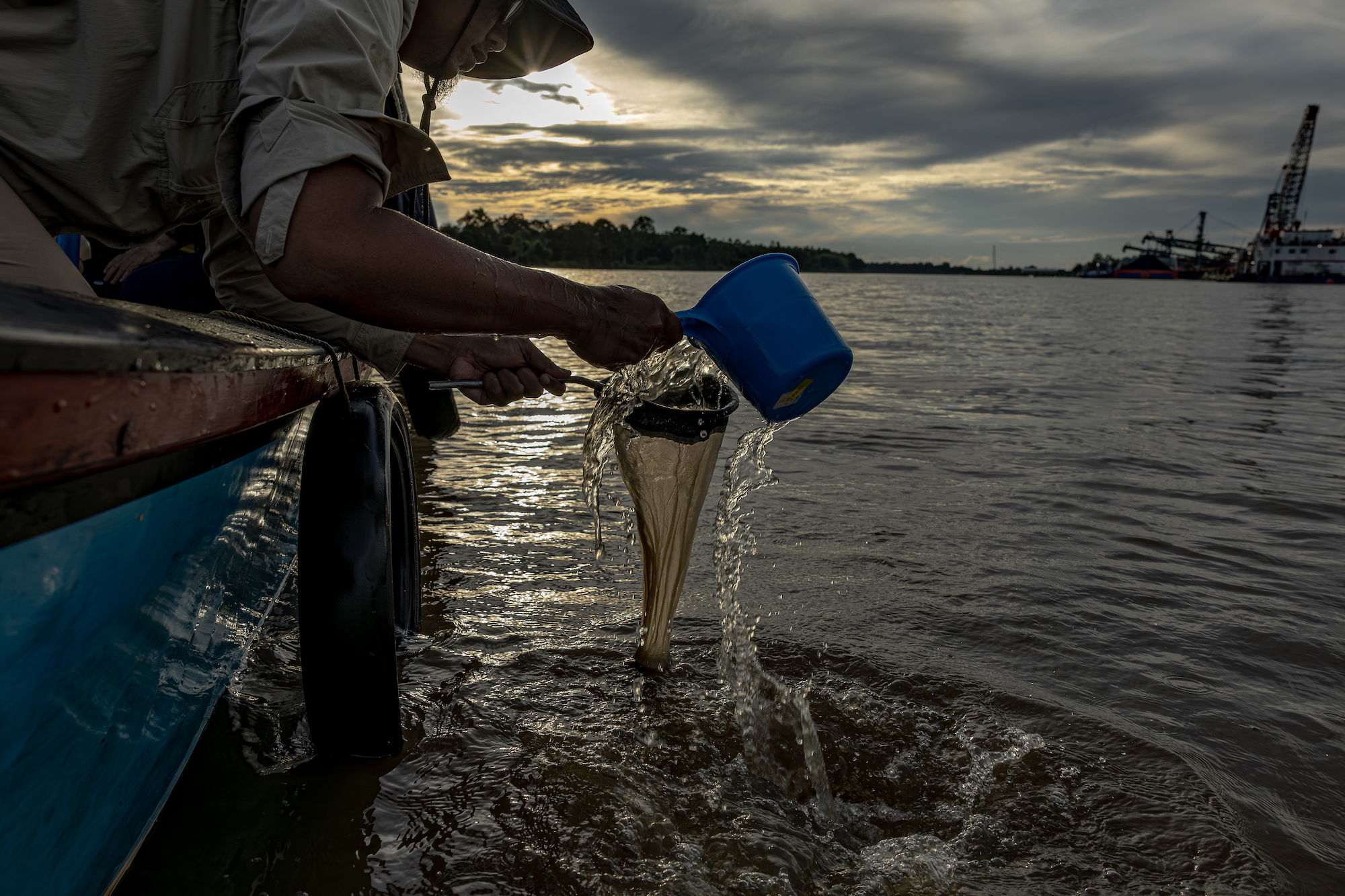
Second, 2025 water samples showed heavy metals, cadmium, copper, iron, and manganese, often above national standards. Harmful fertilizer runoff, like ammonium nitrate, was found in over 64% of samples, threatening fish and the ecosystem. Sedimentation exceeded national water standards in 19% of samples in 2025, reflecting deteriorating water quality.
Third, food sources are collapsing due to unsustainable fishing and habitat loss, decimating fish populations. Regular patrols and enforcement are lacking.
Fourth, heavy sedimentation suffocates fish by clogging their gills and smothers fish eggs before they can hatch, contributing to fish decline. “The main issue is relentless boat traffic. The noise alone devastates dolphins, but the damage goes further. Vegetation along the riverbanks is cleared for coal storage, stripping away the 100-meter protective buffer the river needs,” she said, drawing on her years of experience. The impact is evident during field surveys. Researchers observe dolphins surfacing one by one, their blunt heads rising silently from the river.
“Riparian forest is needed to provide a microhabitat for fish, where fish can lay their eggs on the underwater roots, eat fruits, seeds and leaves from the trees and provide shade that also stimulates fish growth.”
During the survey, there was something sacred about the dolphins, a sense that they should never be harmed by humans.
Kreb acknowledged a positive shift, noting that the government, particularly the Environment Ministry, has grown more aware that the Mahakam dolphin is critically endangered and has recognized the encouraging birth of a few new calves. “The population has increased slightly, thanks to more births last year outpacing losses. Our records confirm eight new calves,” she continued. Bycatch has fallen since mid-2021, following the introduction of acoustic pingers that deter dolphins from nets. Now, 252 pingers are used by 158 fishers, resulting in zero bycatch incidents in participating nets.
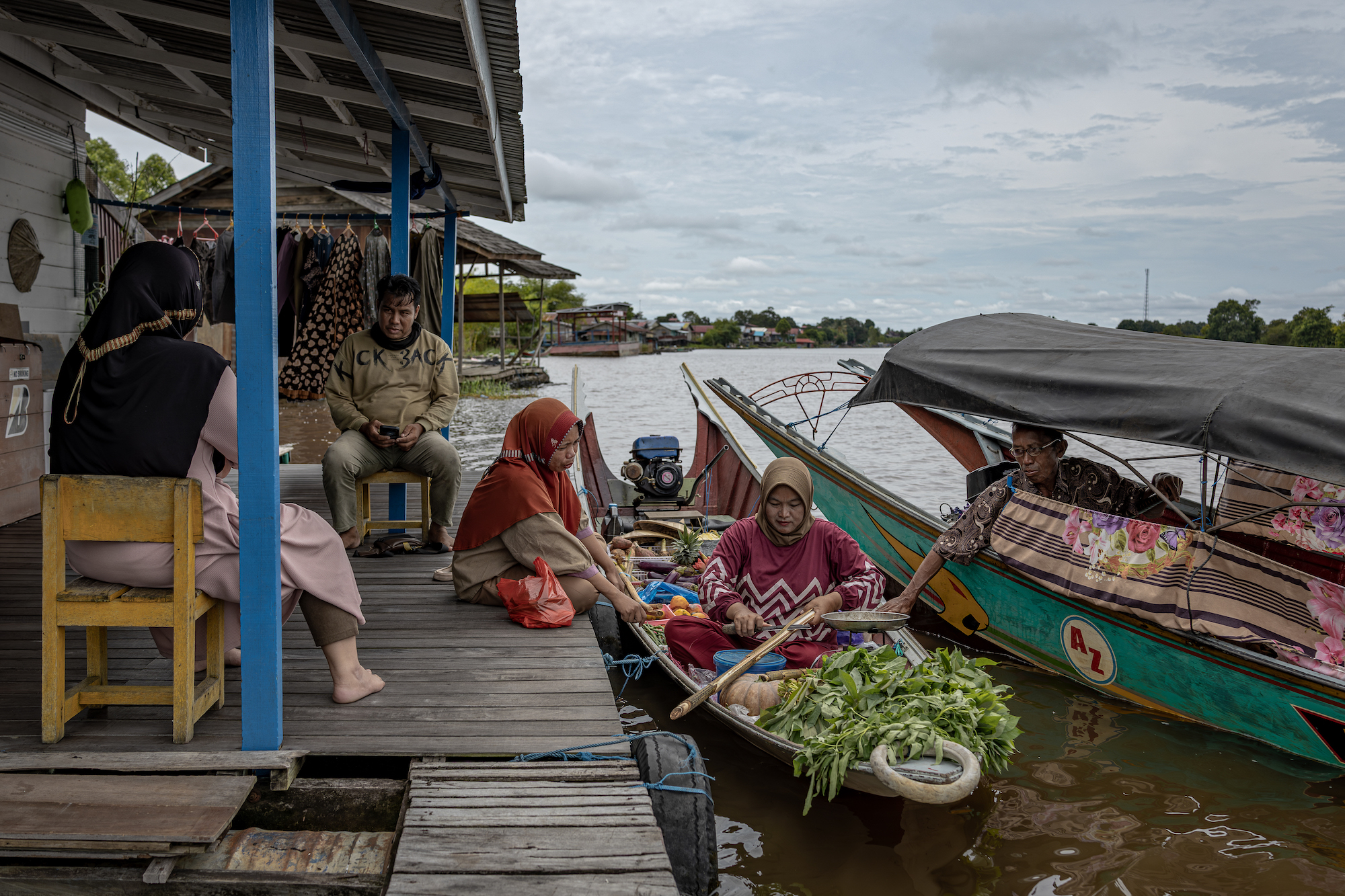
The river makes no distinction because what poisons the dolphin also poisons the water, and what silences their sonar kills the fish. When the fish vanish, entire fishing families on the Mahakam pull up empty lines, their livelihoods drowning in the same current that once fed them.
From river to people
Large mesh gillnets symbolize an uncomfortable truth: the tools fishermen rely on also kill dolphins. Small mesh nets are no safer. When dolphins steal fish from these nets, they often swallow net fragments, which accumulate in their stomachs and destroy their health. In 2025, 121 large-mesh gillnets (totalling 2,438 meters) that pose the highest risk of dolphin entanglement were exchanged, benefiting 48 fishers and substantially lowering entanglement risk.
This program will run for at least three years and aims to replace 10,000 meters of large-mesh nets with fish traps or other dolphin-friendly methods. But if freshwater dolphins remain under threat, researchers warn that their loss would signal not just the extinction of a mammal, but the failure of the Mahakam River as a life-supporting system.
Fiorentina Refani, Director of Socio-Bioeconomic Studies at the independent research institute CELIOS, explained that heavy river traffic blocks sunlight, limiting photosynthesis in phytoplankton and aquatic plants and weakening the entire aquatic food chain. “Consequently, the dolphin’s survival is a direct barometer for the river’s overall health and pollution levels,”Kreb ended on a cautiously hopeful note.
The Ministry of Environment has become a more committed partner, launching a rapid action plan to boost the dolphin population. The Ministry of Maritime Affairs and Fisheries has also joined by integrating its efforts into the National Action Plan for the Mahakam River dolphin.
Antara [News Bureau] reported that Minister of Environment Hanif Faisol Nurofiq would strengthen the monitoring of water quality and coal mining licenses, both of which directly affect the river ecosystem.
The ministry has designated three villages in East Kalimantan as Mahakam Dolphin Conservation Villages: Muhuran and Pela in Kota Bangun District, and Sabintulung in Muara Kaman District. “The preservation of its habitat has to be a collective effort involving the government, the business sector, universities, non-governmental organizations, and local communities,” the ministry said on Feb 8.
Text Editor: Michael Hegarty Indonesia: Astrid Reza